

Tooth sensitivity can turn simple pleasures, like enjoying a cold drink or a warm cup of coffee, into an uncomfortable experience. If you feel a sudden, sharp sensation when your teeth are exposed to certain temperatures or foods, you are not alone. Sensitive teeth are a common concern and can develop for several reasons, including enamel wear, gum recession, or underlying dental issues. The good news is that there are practical ways to manage and even prevent sensitivity with the right care and guidance.
What Causes Tooth Sensitivity?
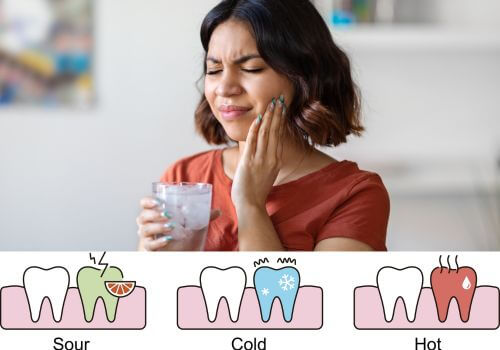
Tooth sensitivity typically occurs when the protective outer layer of the tooth, called enamel, becomes worn down or when the gums recede, exposing the underlying dentin. Dentin contains microscopic tubules that lead directly to the nerve of the tooth. When these pathways are exposed, sensations like heat, cold, or acidity can trigger discomfort.
Common causes include aggressive brushing, teeth grinding (bruxism), acidic diets, tooth decay, and cracked or worn dental work. Identifying the cause is important because treatment depends on what is contributing to the sensitivity.
Gentle Brushing Techniques for Sensitive Teeth
Brushing your teeth effectively does not mean brushing harder. In fact, brushing too aggressively can wear down enamel and contribute to gum recession over time. Both of these factors can increase tooth sensitivity.
Using a soft-bristled toothbrush and a gentle, circular motion cleans your teeth while protecting enamel and gum tissue. Brushing twice a day and flossing daily supports overall oral health and helps reduce the risk of conditions that may lead to sensitivity.
Desensitizing Toothpaste: How It Helps
Desensitizing toothpaste is often one of the first recommendations for managing mild tooth sensitivity. These products are formulated with ingredients such as potassium nitrate or stannous fluoride, which work by reducing the transmission of sensations from the tooth surface to the nerve.
With consistent use, many patients notice a gradual decrease in sensitivity. It is important to use the toothpaste as directed and allow time for it to take effect. If symptoms persist after a few weeks, a dental evaluation is recommended to rule out other causes.
Diet Choices That Can Affect Sensitivity
Your diet plays a meaningful role in enamel health. Foods and beverages that are highly acidic can gradually soften and wear down enamel, increasing the likelihood of sensitivity. Common culprits include soda, citrus fruits, sports drinks, and sugary snacks.
Making mindful choices can help protect your teeth. Limiting acidic items and rinsing with water after consuming them can reduce their impact. It is also helpful to wait before brushing after acidic meals, as enamel may be temporarily softened.
Tooth-Friendly Alternatives
- Dairy products like milk, cheese, and plain yogurt
- Fiber-rich fruits and vegetables
- Water as your primary beverage
The Impact of Teeth Grinding (Bruxism)
Teeth grinding can gradually wear down enamel and contribute to tooth sensitivity. This habit often occurs during sleep and may be linked to stress or bite alignment issues.
Managing bruxism may involve stress reduction techniques, lifestyle adjustments, or the use of a custom nightguard. A dental professional can evaluate your bite and recommend appropriate options to protect your teeth from further wear.
Whitening Treatments and Sensitivity
Teeth whitening treatments, whether performed in the office or at home, can sometimes lead to temporary sensitivity. This is usually short-lived but may be more noticeable in patients who already have sensitive teeth.
If you are considering whitening, it is a good idea to discuss your sensitivity with your dentist first. They can recommend the safest approach or suggest alternatives that minimize discomfort while still helping you achieve your desired results.
When to See a Dentist for Tooth Sensitivity
While mild sensitivity is often manageable at home, persistent or severe discomfort requires professional evaluation. Sensitivity can sometimes be a sign of underlying issues such as cavities, gum disease, or cracked teeth that need treatment. Addressing the root cause is key to long-term relief. Your dentist will take the time to understand your specific sensitivities and discuss them in detail with you. Together, you can explore various treatment plans that may be suitable for your needs, ensuring you find the most effective options for relief and care.
Common In-Office Treatments
- Fluoride treatments to strengthen enamel
- Dental bonding or sealants to cover exposed areas
- Custom nightguards for grinding
- Gum graft procedures for significant recession
- Root canal therapy in advanced cases

Simple Home Care Tips to Prevent Sensitivity
Prevention is an important part of managing tooth sensitivity. Small daily habits can make a noticeable difference in protecting your enamel and maintaining gum health.
Using a soft toothbrush, choosing non-abrasive toothpaste, and maintaining regular dental visits all support long-term comfort. Staying hydrated and following a balanced diet also contribute to a healthier oral environment.
You Don’t Have to Live with Sensitive Teeth
Tooth sensitivity can be frustrating, but it is often manageable with the right combination of home care and professional guidance. Understanding what is causing your symptoms is the first step toward relief.
If you are experiencing ongoing discomfort, a dental visit can help identify the underlying issue and provide tailored solutions. With the right approach, most patients can return to enjoying their favorite foods and drinks without pain.
If you have questions, we would love to answer them for you. Please give us a call at the office at (209) 474-0888, or you can email us at [email protected]. Our staff would love to talk with you!
Don't forget to follow us on social media Facebook, Instagram.